Digital where it helps, hand where it matters
Send a scan instead of an impression and the case is on the design screen the same day. Frameworks are milled, models and guides are printed — and the ceramist still does the layering and the glaze.
Six stations, one case
Scan intake
Intra-oral scans from any scanner land on the design screen the same day; impressions are poured or scanned on arrival.
CAD design
Every unit is designed against the opposing arch and reviewed against the prescription before anything is cut.
Milling
Zirconia, PMMA and metal frameworks milled in house, sintered and checked on the model.
3D printing
Printed models, surgical guides and try-ins — the digital case still gets a physical check.
Ceramic layering
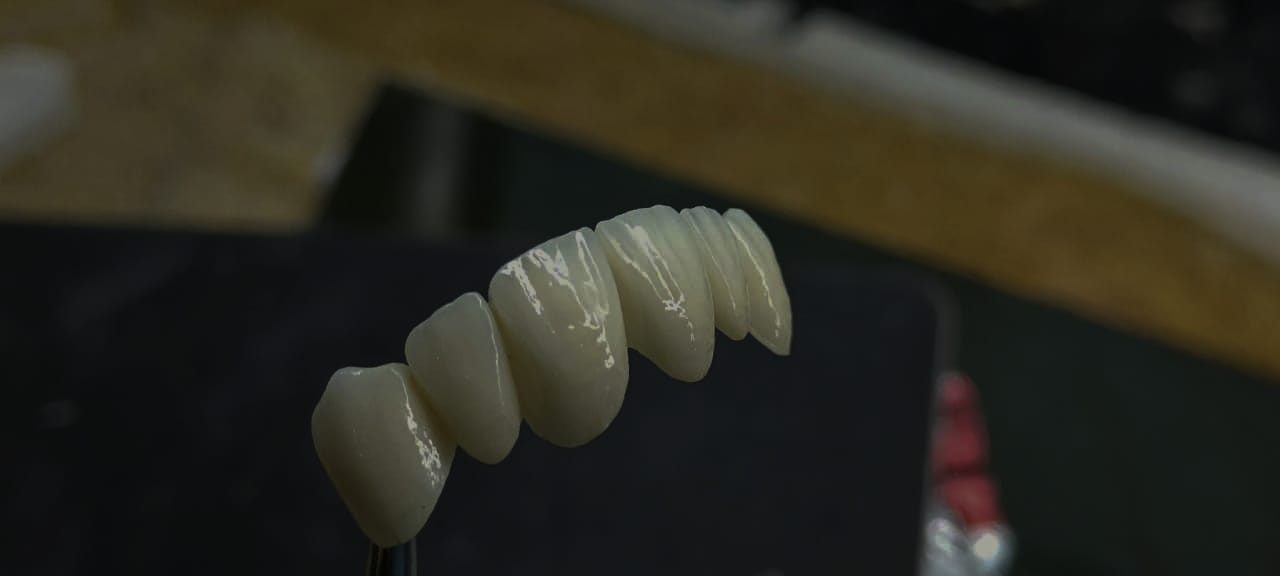
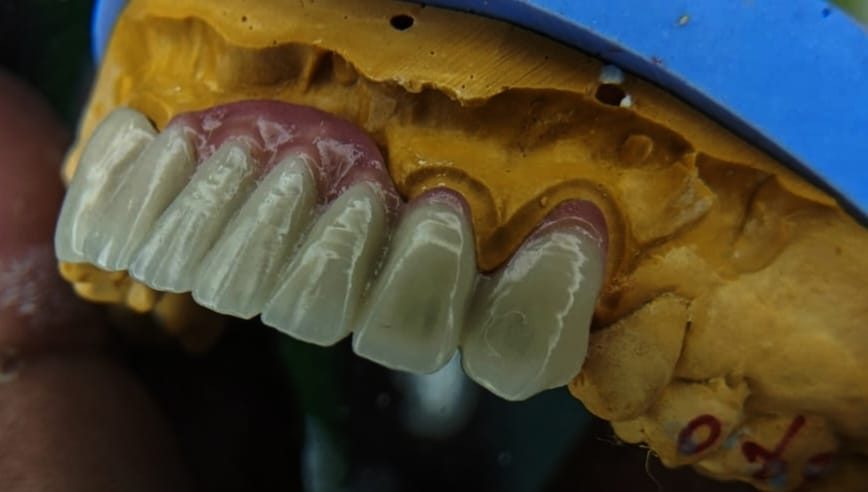
The part no machine does: dentine, enamel and effects layered by hand to the shade photographs.
Quality gate
Margin, contact, occlusion and shade signed off on the model before the case is packed.
Any scanner. Same day.
Export the scan as STL or PLY from whichever scanner you use, send it with the bite and the prescription, and the case skips the impression and the pour.
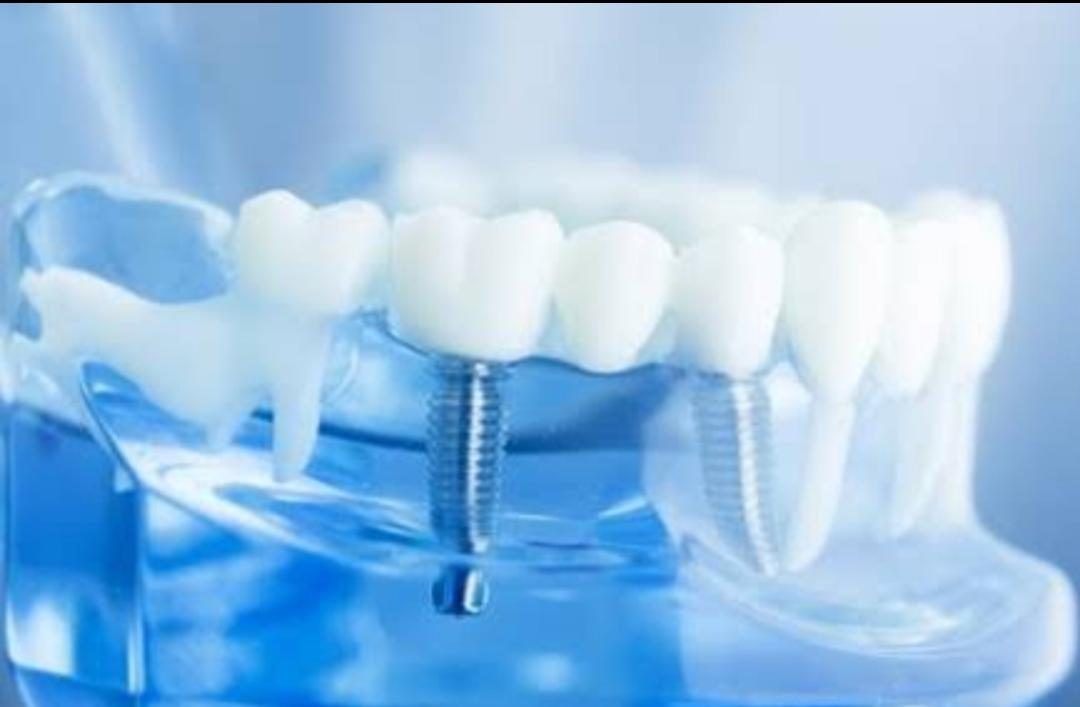
Layered by hand, to your photographs
A milled framework is a start, not a finish. Dentine, enamel and effects are layered by the ceramist to the shade photographs you send, then glazed and checked on the model under daylight.
Veneers & aesthetics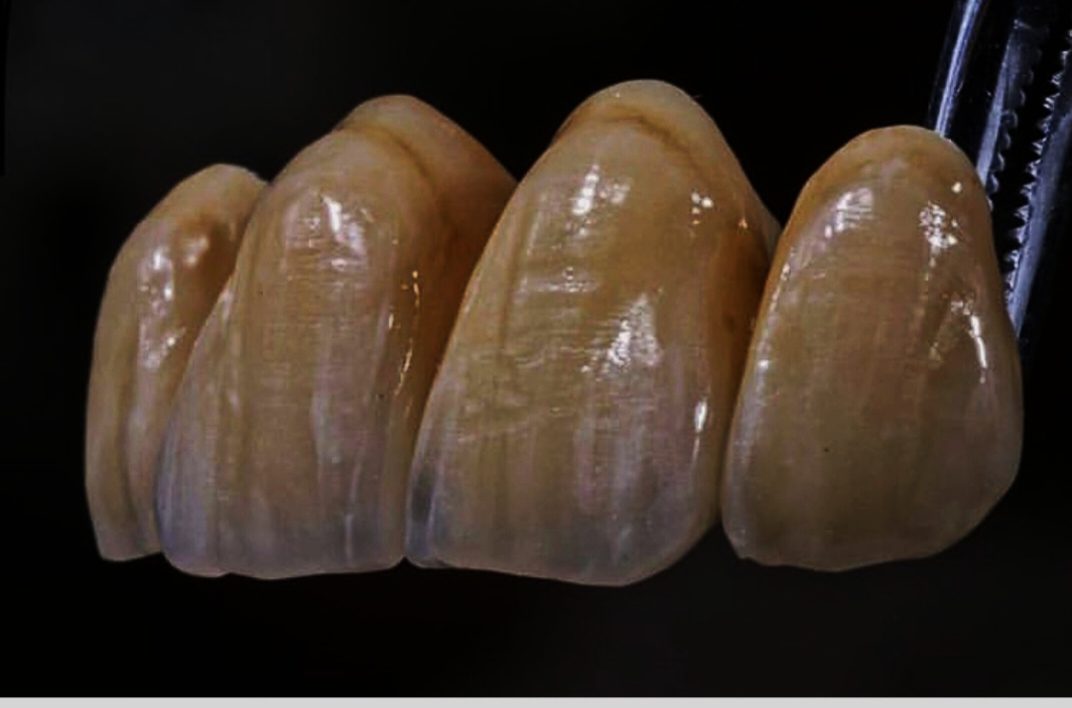
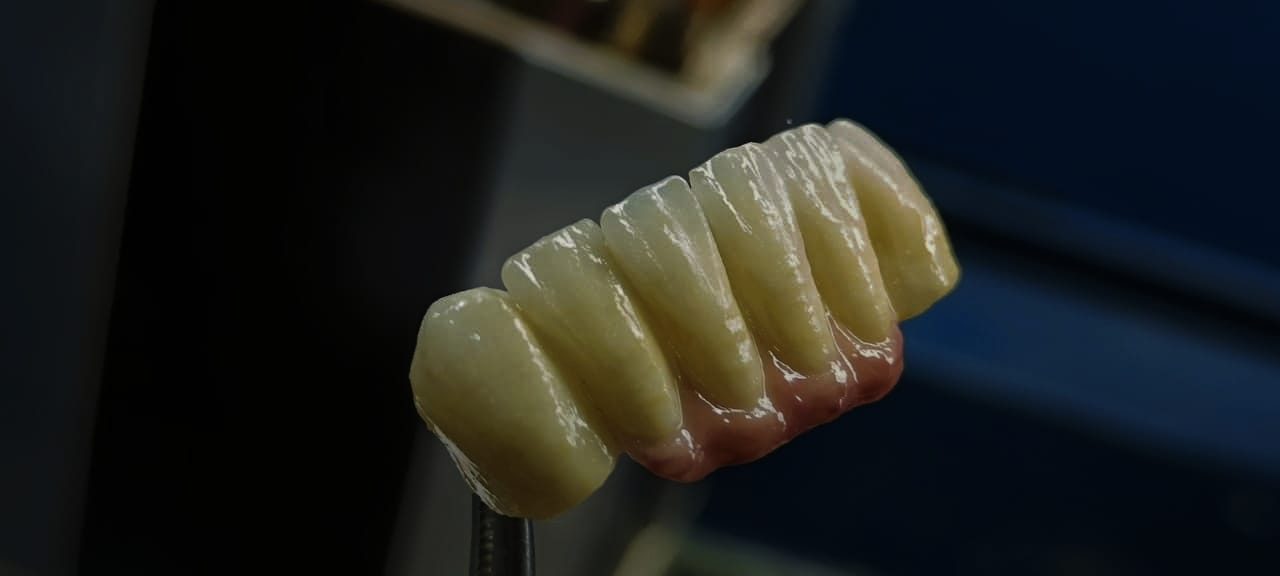
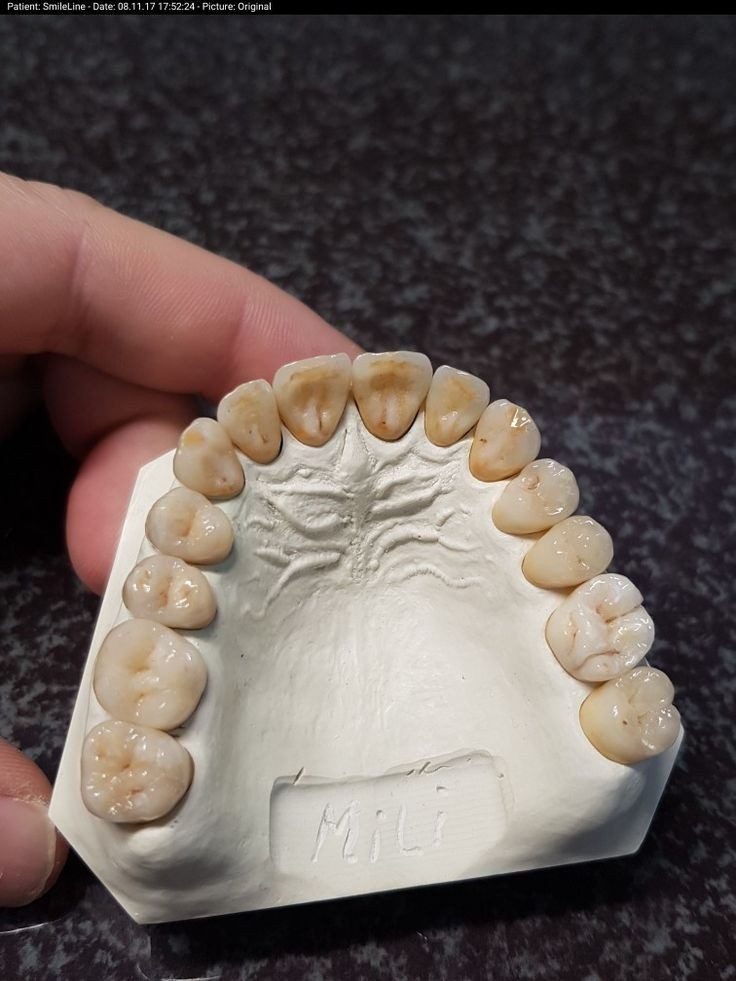
Send us your next case
Tell us what you need and we will tell you exactly when it will be with you.